Your Fleet Is Your Business — Protect It Like It
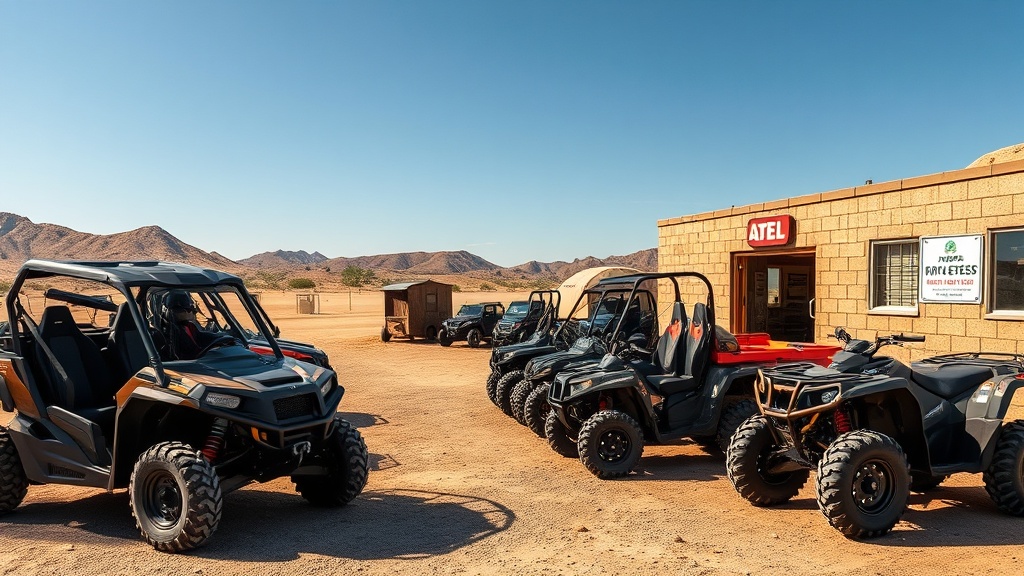
Every side-by-side, UTV, and ATV on your lot represents real money. A single Polaris RZR Pro or Can-Am Maverick X3 can run $25,000 to $40,000 or more once you add accessories, GPS units, and safety gear. A fleet of ten machines is a quarter-million-dollar asset rolling out your gate every day in the hands of people who, in many cases, have never driven one before.
Rental equipment physical damage coverage is the policy that protects those machines. While general liability handles what happens to other people, physical damage handles what happens to your stuff. For a rental operator, it is arguably the most important coverage you carry, because rollovers, wrecks, and water damage are not rare events — they are a regular cost of doing business in off-road rental.
What Rental Equipment Physical Damage Actually Covers
This coverage pays to repair or replace your owned rental machines when they are damaged. The covered causes typically include:
- Collision and rollover — by far the most common claim in UTV rental. A renter takes a corner too fast, hits a rut, or misjudges a descent and the machine goes over.
- Submersion and water damage — mud holes, creek crossings, and flash floods can hydrolock an engine in seconds.
- Fire — engine fires and exhaust-related brush fires happen on the trail.
- Theft and vandalism — machines stolen off your lot or off a trailer at a staging area.
- Damage in transit — when machines are being trailered between your shop and the riding area.
The key feature is that the coverage applies while the machine is being operated by a paying renter. That is exactly the scenario that standard powersports and inland marine policies exclude. A rental-specific physical damage policy is written to acknowledge that strangers will be driving your equipment.
The Reality of UTV Rollover Damage
UTVs have a high center of gravity, narrow track widths relative to their power, and they are often driven by inexperienced renters on uneven terrain. The result is a rollover rate that surprises owners new to the business.
When a side-by-side rolls, the damage is rarely cosmetic. A typical rollover claim involves bent roll cage components, cracked body panels, broken suspension arms, damaged doors and nets, and frequently a bent steering rack or wheel. It is common for a single rollover to generate $5,000 to $15,000 in repairs, and a severe one can total the machine outright. Without physical damage coverage, every dollar of that comes straight out of your pocket — and the machine is off the rental line, generating zero revenue while it sits in the shop.
Damage Deposits Are Not Insurance
Many new operators believe a credit card hold or a signed damage-deposit form protects them. It does not, and confusing the two is one of the most expensive mistakes in this business.
A damage deposit is a small, fixed amount — often $250 to $1,000 — that you collect to cover minor, obvious damage. It works fine for a scratched fender or a missing mirror. But consider what happens with a real loss:
- The repair bill is $12,000 and the deposit is $500. You are out $11,500.
- The renter disputes the credit card charge and the bank reverses it.
- The renter simply does not have the money and walks away.
- The machine is totaled and there is no deposit on earth large enough.
A damage deposit handles nuisance damage. Physical damage insurance handles catastrophe. Smart operators use both — the deposit covers the deductible and small stuff, and the policy covers everything above it. The two are partners, not substitutes.
Understanding Deductibles on a Rental Fleet
Like any property coverage, rental equipment physical damage carries a deductible — the amount you pay before the policy responds. On rental fleets, deductibles are often set per machine and per occurrence. Choosing the right deductible is a balancing act:
- A lower deductible means higher premium but less out-of-pocket exposure on each claim.
- A higher deductible means lower premium but you absorb more of each loss.
A common strategy is to align your deductible with the damage deposit you collect. If you carry a $1,000 deductible and collect a $1,000 deposit, the renter effectively funds your deductible on a covered loss — and your premium stays manageable because you are not filing claims for small damage.
Agreed Value vs Actual Cash Value
How your machines are valued at claim time matters enormously. Actual cash value pays the depreciated value of the machine — which can be far less than what you owe or what it costs to replace. Agreed value locks in a figure you and the insurer settle on up front. For a fleet of newer machines, agreed value protects you from depreciation surprises after a total loss. A specialty broker will help you schedule each machine correctly.
Keep Your Fleet Earning
A wrecked machine that is properly insured is an inconvenience. A wrecked machine with no coverage is a financial crisis. Rental equipment physical damage coverage keeps a single bad rollover from threatening your entire operation.
Call 844-967-5247 or request a quote online to get rental equipment physical damage coverage built for off-road rental fleets. Our team will help you schedule your machines, set the right deductible, and make sure that when a renter rolls a side-by-side, you are protected.